Broadband Near-Infrared Echelle Spectrograph and High-resolution Immersion Grating Infrared Spectrograph
[bra_border_divider top=’5′ bottom=’15’]
Prof. Dae-Sik Moon, Department of Astronomy & Astrophysics, U of T
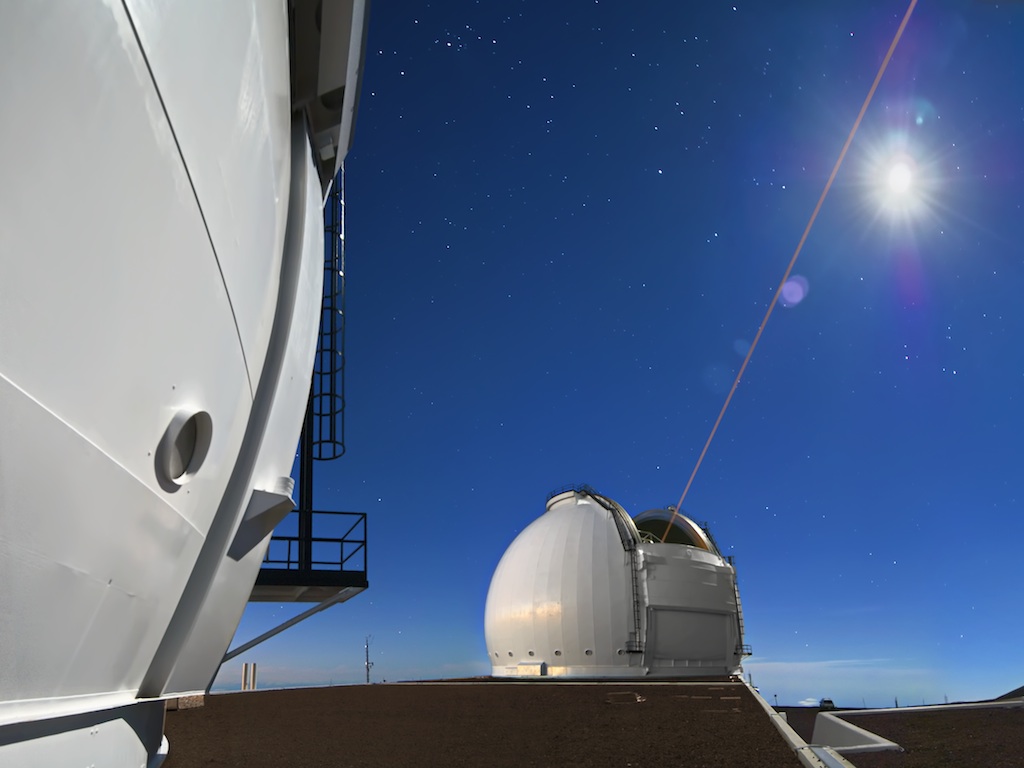
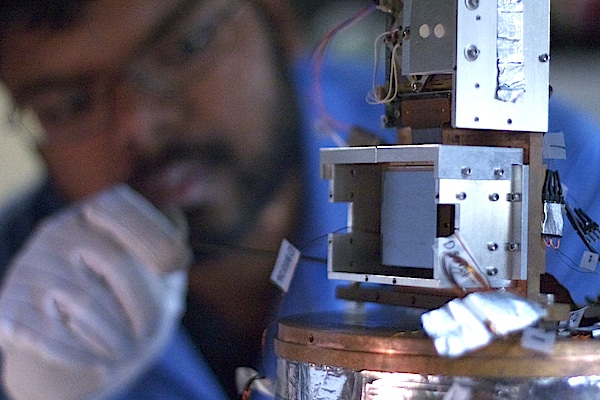
Near-Infrared Echelle Spectrograph (NIRES) is a cross-dispersed echellette simultaneously covering the 0.8-2.4 micron wavelength range at R ~ 2,700 developed for the Keck II 10-m telescope between Caltech and the University of Toronto. It is expected to be commissioned in 2014 summer-fall. Immersion Grating Infrared Spectrograph (IGRINS) is a cross-dispersed, high-resolution (R = 40,000; H and K simultaneously) spectrograph based on the novel technology of silicon etching immersion grating. It was recently commissioned on the McDonald 2.7-m telescope and may be moved to the Discovery Channel telescope or to the Gemini telescopes.
Prof. Moon will describe the instrument parameters and science opportunities of the spectrographs. He will also introduce GMTNIRS which is a high-resolution infrared spectrograph developed for the GMT telescope based on the same silicon etching immersion grating technology.